

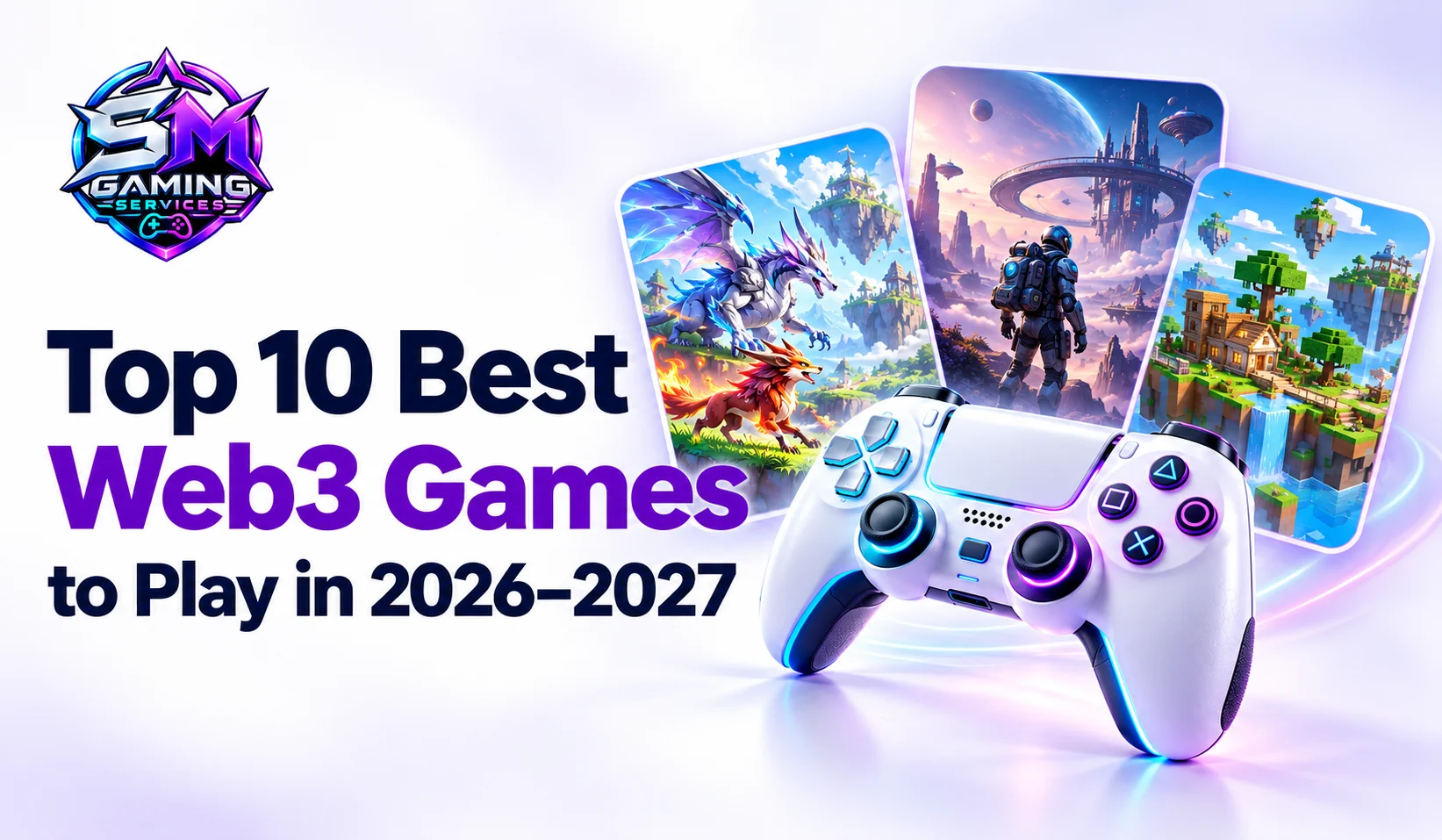
Gods Unchained, Axie Infinity: Origins, Pixels, Skyweaver, and Illuvium: Arena are recommended starting points for players comparing the best Web3 games. Gods Unchained and Skyweaver suit card strategy fans, Axie offers creature battles, Pixels focuses on farming, and Arena centres on tactical team building. Splinterlands, Illuvium: Zero, The Sandbox, Decentraland, and Alien Worlds expand the shortlist with different approaches to strategy, creation, social exploration, and blockchain participation.
Finding a game requires more than checking whether it includes tokens or collectible assets. You need enjoyable mechanics, supported devices, understandable costs, and a clear account setup process. This guide compares ten playable options using official game pages and documentation, with practical pros and cons for each. It separates free access from paid features and treats future plans as announcements rather than completed releases. If you are researching Web3 games 2026 offers today or planning what to follow into 2027, begin with gameplay preferences. Then examine wallet requirements, platform availability, and release status before downloading. A familiar genre and a tutorial usually provide a better first experience than a complicated reward system alone.
Key takeaways
- Choose a genre before considering tokens or collectibles.
- Free access and free asset ownership are different.
- Several games allow play before connecting an external wallet.
- Platform availability varies by title, mode, and region.
- NFT ownership does not guarantee resale value or cross-game compatibility.
- Upcoming projects belong on a watchlist rather than a playable-games list.
What Are Web3 Games, and How Are They Different?
Web3 games use blockchain for selected functions, such as recording ownership, transferring assets, or supporting marketplaces. Their ordinary gameplay can still depend on conventional servers and databases. A collectible item does not automatically work in another game, retain value, or survive a shutdown in a useful form. For players, the practical questions concern access, entertainment, account recovery, and which features actually require blockchain transactions during normal participation in the game.
Web2 vs Web3 Gaming: What Changes for Players?
Traditional accounts usually keep item records within a publisher’s systems. Blockchain enabled assets can introduce transferable records and external wallets, but gameplay access and item utility still depend on the project. Read the specific permissions attached to each asset.
How We Selected the Best Web3 Games
This shortlist prioritises identifiable gameplay, official access information, different genres, and options that beginners can investigate without immediately purchasing collectibles. It is an editorial comparison, not a ranking by token price, player count, or projected returns. Research uses official pages and support documentation; no firsthand gameplay testing is claimed. Pros and cons reflect the described mechanics and access requirements, rather than measured performance benchmarks or independently verified player satisfaction scores.
Selection Criteria
- Gameplay: A clear activity beyond acquiring tokens.
- Access: An official route to a playable experience.
- Costs: A distinction between starting free and purchasing assets.
- Evidence: Official pages supporting the central access claims.
Top 10 Best Web3 Games to Play in 2026–2027
These ten selections cover card battles, creature teams, farming, production management, social worlds, and blockchain focused activities. Their order helps readers explore different playstyles rather than implying a universal quality score. Each description explains the central appeal, followed by practical strengths and limitations. Use the comparison tables to check access conditions before deciding. Free entry describes an available starting experience; it does not mean every item, format, upgrade, or transaction is free. Availability reflects current official information, while support throughout 2027 remains dependent on future developer decisions and ongoing operations.
| Game | Main gameplay | Verified access route | Status described by official sources |
|---|---|---|---|
| Gods Unchained | Tactical cards | Windows, macOS | Playable |
| Axie Infinity: Origins | Creature and card battles | Desktop through Mavis Hub; mobile download options | Playable |
| Pixels | Farming and social progression | Browser | Playable |
| Skyweaver | Trading card battles | Browser; cross-platform experience | Playable |
| Splinterlands | Team selection and automated battles | Browser | Playable |
| Illuvium: Arena | Tactical autobattler | PC through Epic Games Store | Playable; franchise remains in development |
| Illuvium: Zero | Building and production | PC, Mac, iOS, Android | Playable; evolving release |
| The Sandbox | Creator experiences | PC, Mac; selected browser experiences, including mobile | Playable platform; access varies by experience |
| Decentraland | Social exploration and events | Windows, Mac, iOS, Android | Playable platform |
| Alien Worlds | Mining and blockchain activities | Web interface | Playable |
1. Gods Unchained
Gods Unchained suits players who enjoy tactical card battles, deck building, and fantasy competition. You choose a god, manage resources, and combine creatures with spells to defeat opponents. Free starter decks let newcomers learn before exploring collectible cards. Its appeal comes from strategic decisions rather than constant action. Start with the basic collection, understand card interactions, and consider marketplace purchases only after finding a playstyle you enjoy over several matches.
- Pros: Free starter decks; strategic variety.
- Cons: Card knowledge takes time; expanding collections can involve spending.
2. Axie Infinity: Origins
Axie Infinity: Origins combines creature collecting with card based battles, asking players to build teams whose abilities work together. Free starter Axies provide an introduction without requiring an initial NFT purchase. The attraction is experimenting with combinations and learning when to attack, defend, or preserve resources. Players interested in collectible creatures should distinguish starter characters from owned assets and review current progression rules before committing money to competitive team building.
- Pros: Free starter creatures; team combinations.
- Cons: Progression systems require learning; owned teams introduce additional costs.
3. Pixels
Pixels offers a farming and social experience built around gathering resources, developing skills, and interacting with other players. Its pixel art presentation makes the world visually approachable, while browser access reduces installation friction. Rather than chasing combat victories, players work through production routines and community activities. It suits people who enjoy steady progression, although repeated tasks and economic systems deserve attention before paying for upgrades or purchasing optional digital assets.
- Pros: Browser access; cooperative farming activities.
- Cons: Repeated routines may feel slow; economic features add complexity.
4. Skyweaver
Skyweaver is a trading card game for players who prefer planning, combinations, and tactical decisions. Its browser based experience makes trying the game straightforward, while the account system includes a Sequence wallet. Players can learn the core game without treating collectible cards as investments. The strongest reason to try it is the card combat itself, especially if you enjoy experimenting with decks and improving through repeated matches against different opponents.
- Pros: Free core game; accessible browser format.
- Cons: Card interactions require study; trading adds wallet considerations.
5. Splinterlands
Splinterlands focuses on selecting teams before automated battles, making preparation central to the experience. Players study rules, abilities, and resource limits rather than directly controlling every attack. A free account introduces the game, while the paid Summoner’s Spellbook unlocks broader ownership and economic features. It suits strategy fans who enjoy analysing combinations. Beginners should explore the campaign first and understand the differences between available formats before renting or buying cards.
- Pros: Free introduction; preparation rewards strategic thinking.
- Cons: Automatic combat offers limited direct control; economic access has costs.
6. Illuvium: Arena
Illuvium: Arena is an autobattler where positioning, team composition, and synergies shape the outcome of encounters. Its official guidance describes a free mode that does not require owning Illuvials, making it accessible to curious strategy players. The visual presentation and creature combinations are central attractions. Different modes can apply different ownership rules, so understand the selected format before assuming that every competition uses identical access conditions or character advantages throughout.
- Pros: Free access without owned creatures; tactical combinations.
- Cons: Mode rules differ; positioning and synergies take practice.
7. Illuvium: Zero
Illuvium: Zero shifts the focus from battles to building layouts, production, and resource management. Players develop an industrial base and experiment with efficient arrangements. A free Simulation Plot introduces the core loop without requiring land ownership, but its benefits differ from those attached to owned plots. This makes it useful for learning before spending. Choose it for planning and optimisation rather than expecting the same experience as action focused games.
- Pros: Free Simulation Plot; production planning.
- Cons: Simulation differs from owned land; management loops may feel repetitive.
8. The Sandbox
The Sandbox is a platform of creator built experiences rather than a single campaign with uniform gameplay. Players explore voxel worlds, try community games, and participate in events. Free access and optional wallet connections lower the initial barrier, while selected experiences also support browser play. Its variety appeals to curious explorers and aspiring creators. However, experience quality, device compatibility, and activity levels vary, so choose individual destinations carefully before joining.
- Pros: Varied creator experiences; free exploration.
- Cons: Quality varies by creator; browser access covers selected experiences.
9. Decentraland
Decentraland emphasises social exploration, community events, and user created places more than a conventional single player storyline. Visitors customise avatars, meet people, and explore activities across its virtual world. Current official instructions support familiar sign in methods, with a crypto wallet optional for joining. This approach suits players interested in shared spaces and creative communities. Your enjoyment depends heavily on selecting active events and destinations that match your personal interests.
- Pros: Optional wallet for joining; social and creative activities.
- Cons: Event quality varies; less suited to campaign-focused players.
10. Alien Worlds
Alien Worlds combines mining activities, digital tools, planetary communities, and blockchain transactions. Its official onboarding guide requires a WAX wallet for mining and explains resource requirements that newcomers should understand. Compared with simpler free entry titles, it puts blockchain mechanics closer to the centre of participation. It is therefore better suited to curious users who want to examine an onchain game economy than players seeking immediate action or effortless onboarding.
- Pros: Visible blockchain mechanics; multiple connected activities.
- Cons: Wallet setup and resources add friction; mining can feel repetitive.
How to Choose and Start Your First Web3 Game
Begin with a genre you already enjoy, then look for a tutorial and a free route into its core mechanics. Complete several sessions before deciding whether collectibles improve your experience. Account recovery matters as much as account creation, especially when wallets hold transferable assets. Compare optional purchases against entertainment value rather than potential resale. This approach helps beginners understand the game before adding financial or technical complexity to their experience.
Five Steps for Beginners
- Pick your preferred activity: Cards, farming, production, or social exploration.
- Use an official access link: Check hardware requirements and regional availability.
- Complete account setup: Understand recovery before connecting a wallet.
- Play the tutorial: Evaluate whether the core loop is enjoyable.
- Review optional spending: Confirm what a purchase actually unlocks.
Good Web3 Game Onboarding makes permissions, recovery, and costs understandable before players commit to asset ownership.
Which Options Suit PC and Mobile Players?
When comparing top blockchain games for PC and mobile, consider native applications separately from browser experiences. Illuvium: Zero and Decentraland list both desktop and mobile access. The Sandbox offers selected mobile browser experiences. A supported platform does not guarantee that every device meets the performance requirements.
Choosing Web3 Games to Play in USA Markets
Players in the United States should check the official US storefront and the game’s current eligibility terms. Access to the main game does not establish eligibility for every tournament, marketplace, token feature, or promotion.
What Should Players Watch for in Web3 Games 2027?
A useful outlook focuses on verifiable improvements rather than promised token growth. Watch for simpler accounts, clearer purchase screens, better device performance, and updates that improve the underlying game. Announced features should remain labelled as planned until they become accessible. Developers may also change supported platforms or entire game modes. Revisit official release notes before recommending any title as a dependable option for the following year or a future season.
Released Games Versus Upcoming Projects
The ten entries above have official playable access routes. They are not all finished, unchanging releases. Illuvium’s official FAQ describes Overworld as in development for a future PC release, so it belongs on a watchlist rather than this playable top ten.
Track Web3 games 2027 announcements through official release notes and distinguish public releases from limited tests, trailers, and roadmap targets.
What These Games Teach Businesses About Development
For businesses, this shortlist illustrates how different product choices affect the player experience. A card battler needs understandable rules and fair competition, while a farming world depends on progression and social interaction. Blockchain features introduce further decisions about wallets, asset permissions, and support. Studying these examples helps teams define a practical product before commissioning development. Start with the intended audience and enjoyable mechanics, then evaluate which ownership features serve them.
Plan Gameplay, Technology, and Budget Together
Reliable game development services should begin with a clear gameplay prototype and measurable player goals. For blockchain game development, specify which records need blockchain verification and which systems can remain on conventional infrastructure.
A realistic Web3 game development estimate should account for the game client, backend, wallet integration, contract reviews, testing, and ongoing support. Teams deciding to Hire Web3 Game Developer talent should assess relevant delivery experience and security responsibilities alongside programming skills.
Connect the Engine, Economy, and Player Experience
If you plan to Build a Web3 Game with Unity, prototype the core loop before adding wallets or tradable assets. Strong Unity game development depends on performance, controls, and maintainable systems.
Thoughtful Web3 Game Tokenomics considers item utility, issuance, spending mechanisms, and abuse prevention. Rewards should support an enjoyable product rather than substitute for one.
Conclusion:
Choose Gods Unchained or Skyweaver for card strategy, Axie Infinity: Origins for creature teams, and Pixels for farming. Try Illuvium: Arena for tactical formations or Zero for production planning. The Sandbox and Decentraland suit exploration and social interests, while Splinterlands and Alien Worlds offer different strategic or blockchain focused experiences. The best choice matches your preferred gameplay, device, and budget. Start free wherever possible and reassess before purchasing optional assets.
Frequently Asked Questions
Q1. What are the best Web3 games for beginners in 2026–2027?
Ans. The best Web3 games for beginners offer clear tutorials, enjoyable gameplay, simple account creation, and transparent costs. Start with a genre you already enjoy, such as card battles, strategy, role playing, or exploration. Compare each title’s supported devices, learning curve, community activity, and optional blockchain features before choosing. Prioritize games that let you understand the experience before buying digital assets. For a 2026–2027 shortlist, verify current availability through official websites because release schedules, supported regions, and game features can change. Choose entertainment value over promotional reward claims every time.
Q2. What are Web3 games, and how are they different from traditional games?
Ans. Web3 games use blockchain technology for selected features, such as recording digital asset ownership, transferring collectibles, or processing certain transactions. Traditional games usually manage items and account records within systems controlled by their publishers. However, a Web3 game can still rely heavily on conventional servers for combat, matchmaking, and progression. Blockchain integration does not automatically make a game decentralized or let items work across different games. When comparing blockchain games, examine what ownership actually includes, which features require transactions, and whether the underlying gameplay matches your interests and expectations.
Q3. Can you play Web3 games for free without buying NFTs?
Ans. Some Web3 games offer free access, allowing players to explore basic gameplay before purchasing optional assets. However, free entry does not mean every feature, collectible, marketplace action, or transaction is free. Check whether progression requires purchases, whether rewards require eligible assets, and whether blockchain interactions involve additional fees. Read the official pricing information and beginner documentation before connecting a wallet. The best free Web3 games provide understandable limits and a satisfying starting experience. Evaluate the game first, then decide whether optional spending improves your enjoyment within your personal budget.
Q4. Do you need a crypto wallet to play Web3 games?
Ans. You do not always need an external crypto wallet to start playing Web3 games. Some titles provide familiar login methods and create an embedded wallet as part of account setup. Others require a compatible wallet before you can access blockchain features or trade assets. Immutable Passport, for example, combines gaming identity and wallet functionality with email authentication. Check the game’s official onboarding instructions to understand recovery options, supported networks, and transaction approvals. Never assume that every login method provides identical control over assets or identical account recovery protections everywhere. Immutable
Q5. Can you play Web3 games on Android and iOS devices?
Ans. Mobile availability depends on the individual Web3 game, your device, and your region. Before downloading, check the official website for verified Android or iOS links and minimum system requirements. Some blockchain games support mobile browsers, while others require a dedicated application or desktop client. Mobile versions may also offer different marketplace features or wallet connection options. For the best mobile Web3 gaming experience, compare performance, interface quality, storage requirements, and account synchronization. Avoid unofficial downloads, and confirm that the advertised mobile release is available rather than merely planned ahead.
Q6. Can you earn money from play to earn Web3 games?
Ans. Play to earn games may distribute tokens or digital assets, but receiving a reward does not guarantee that you can sell it or make a profit. Eligibility can depend on game rules, competition results, asset requirements, and changing reward programs. Marketplace demand, transaction costs, and withdrawal conditions also affect what players ultimately receive. Read official reward documentation before spending money or committing significant time. A useful comparison considers gameplay quality, clear participation requirements, and understandable economics. Treat earning claims cautiously and choose games you would enjoy playing without rewards.
Q7. What does NFT ownership mean in Web3 gaming?
Ans. NFT ownership in Web3 games generally refers to control of a blockchain token associated with a digital item. The game’s terms determine how that item can be used, traded, or displayed within its ecosystem. Owning the token does not automatically grant copyright, unrestricted commercial rights, or compatibility with other games. Its usefulness may also depend on continued developer support and operational game services. Before buying NFT game assets, review licensing terms, marketplace restrictions, and item functionality. Check whether an equivalent gameplay experience is available without purchasing the collectible first.
Q8. How do you choose the best Web3 games to play in 2026–2027?
Ans. Choose the best Web3 game by comparing gameplay, platform compatibility, onboarding, development activity, and total participation costs. Start with official gameplay videos and documentation, then try an available demo or free mode. Check whether blockchain features add something useful to the experience and whether purchases are optional. Review recent developer announcements instead of relying on old rankings or promised release dates. For games planned for 2027, distinguish confirmed playable releases from roadmaps. Your final choice should reflect your preferred genre, available time, and comfort with managing digital gaming assets.

2 Comments
[…] advantages, limitations, and answers about wallets, fees, and withdrawals. Readers exploring Web3 Games to Play can use it to build a shortlist based on their interests rather than promotional earning […]
[…] should explain accounts, wallets, and transactions when they become relevant. If you are comparing Web3 Games to Play, check US storefront access and individual feature eligibility separately. Being able to download a […]